Designing how a driverless truck communicates, inside and out.
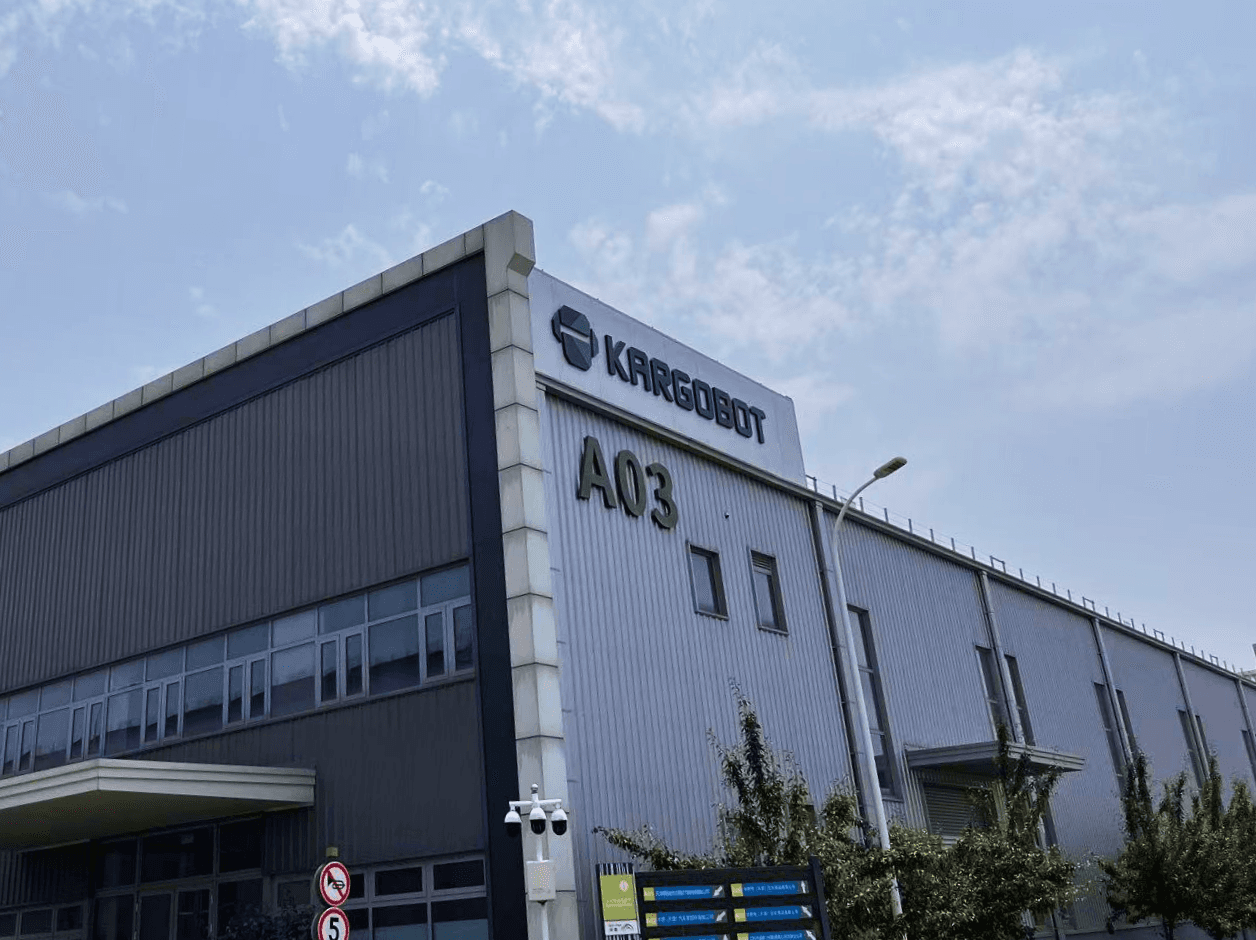
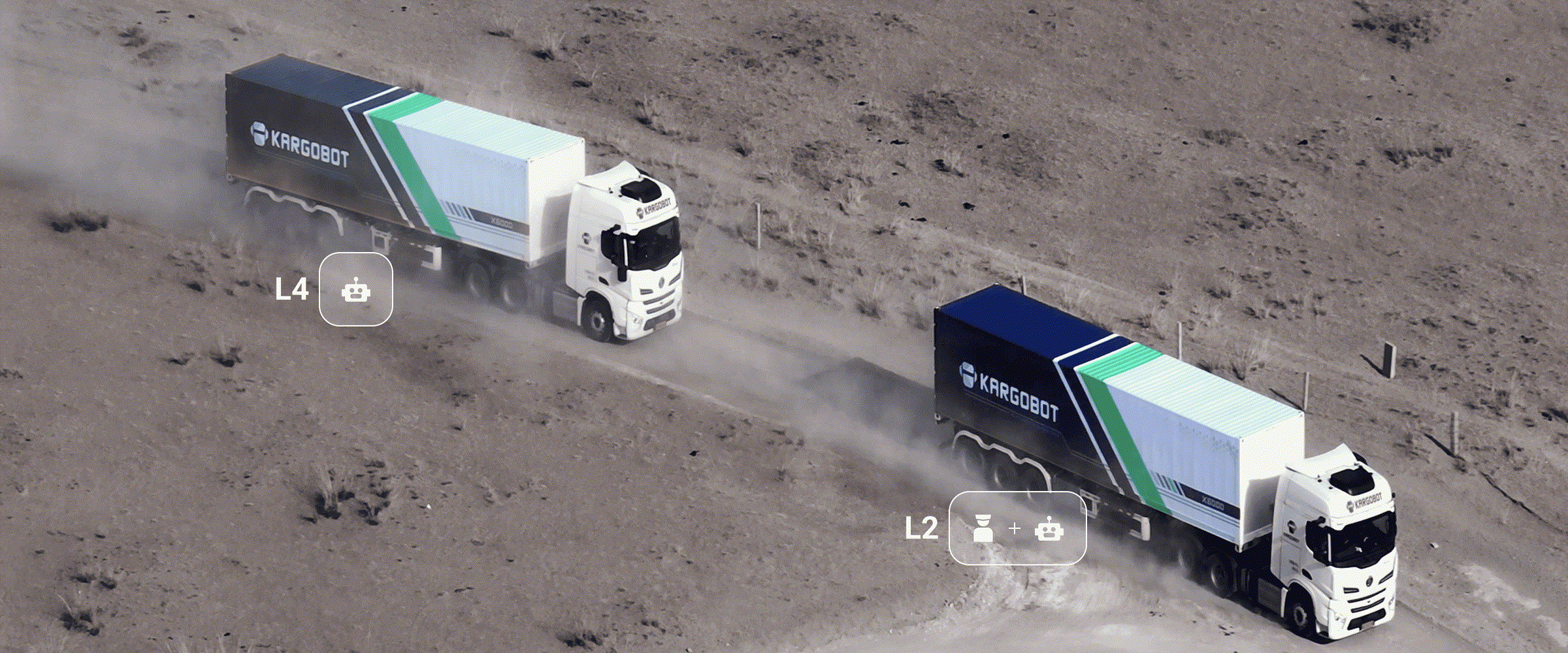
At KargoBot, DiDi’s L2+L4 autonomous-trucking subsidiary, I spent a summer designing the convoy’s in-cab warning HMI, its exterior lighting language, and a driver dispatch app, then helped define the L4 concept truck.
- Date
- May – Jul 2024 · 3 months
- Team
- Product Designer Intern (Yuchen), Senior Software Engineers, Product Manager, Senior Product Designer
- Deliverables
- Dispatch App · HMI · Lighting System Design & Test · Promotional Video · Concept Truck Definition · RRD
- Tools
- Figma · JavaScript · Adobe Premiere · After Effects · Blender · Procreate · Midjourney · Photoshop
 KargoBot on LinkedIn ↗
Overview
One summer, two tracks: ship the convoy product, and help define the L4 concept truck.
During my summer internship at KargoBot I worked as a product designer and took on some product-manager responsibilities. The work split into two parallel tracks.
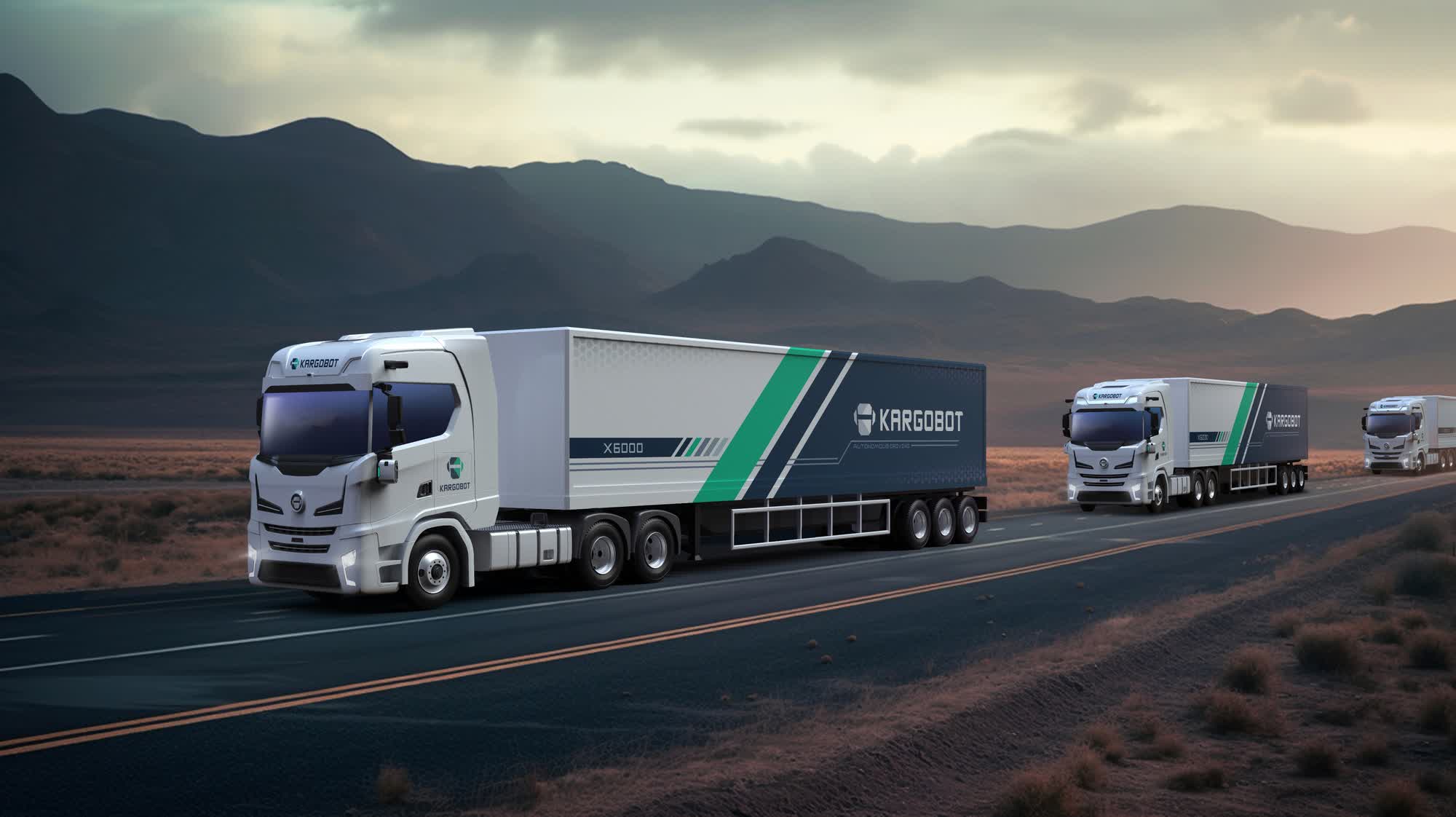
Upgrade the convoy trucking product
Existing product
Enhanced the existing convoy trucking product by upgrading its software and hardware features, including design, testing, and iteration.
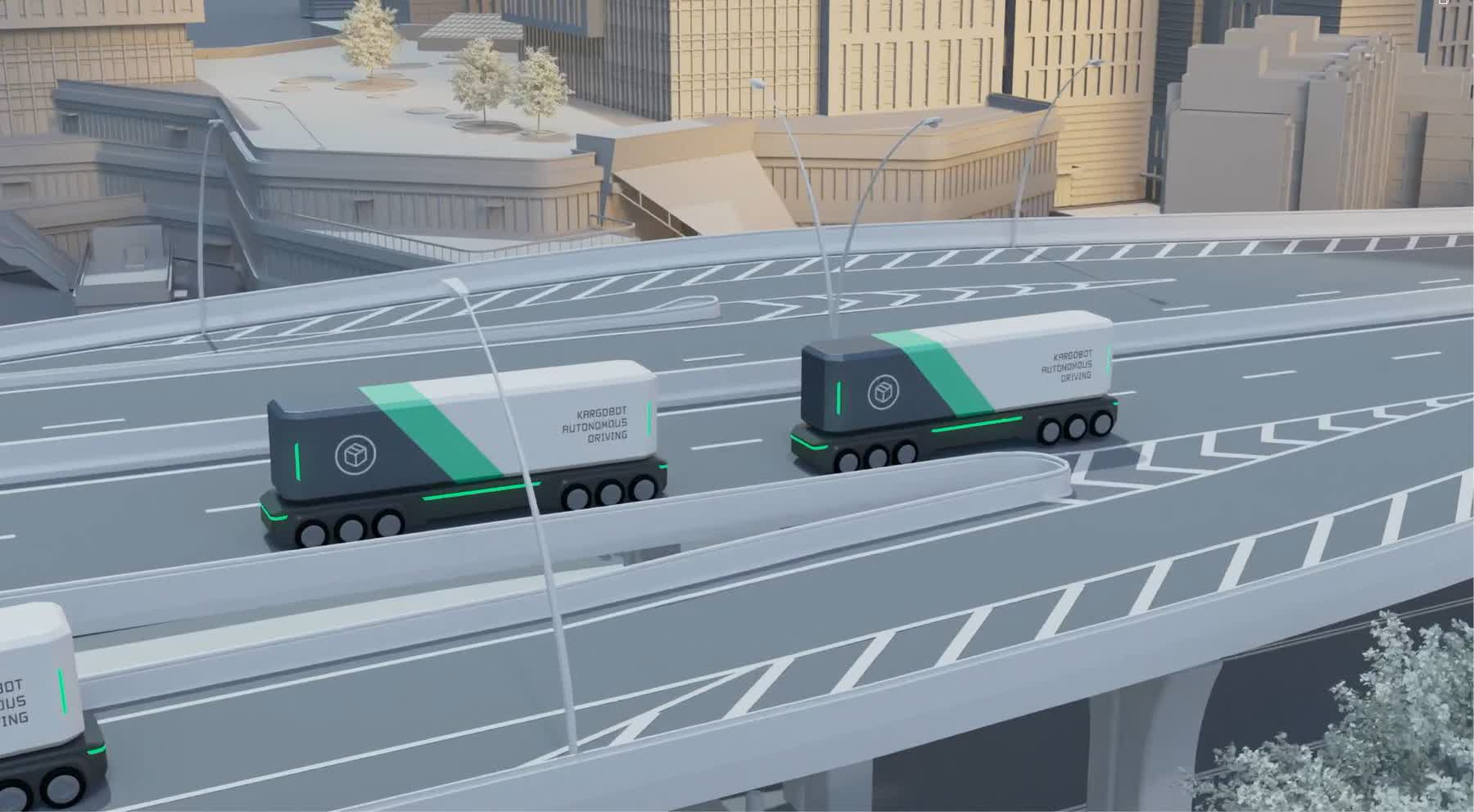
Define the L4 concept truck
Concept, April unveil
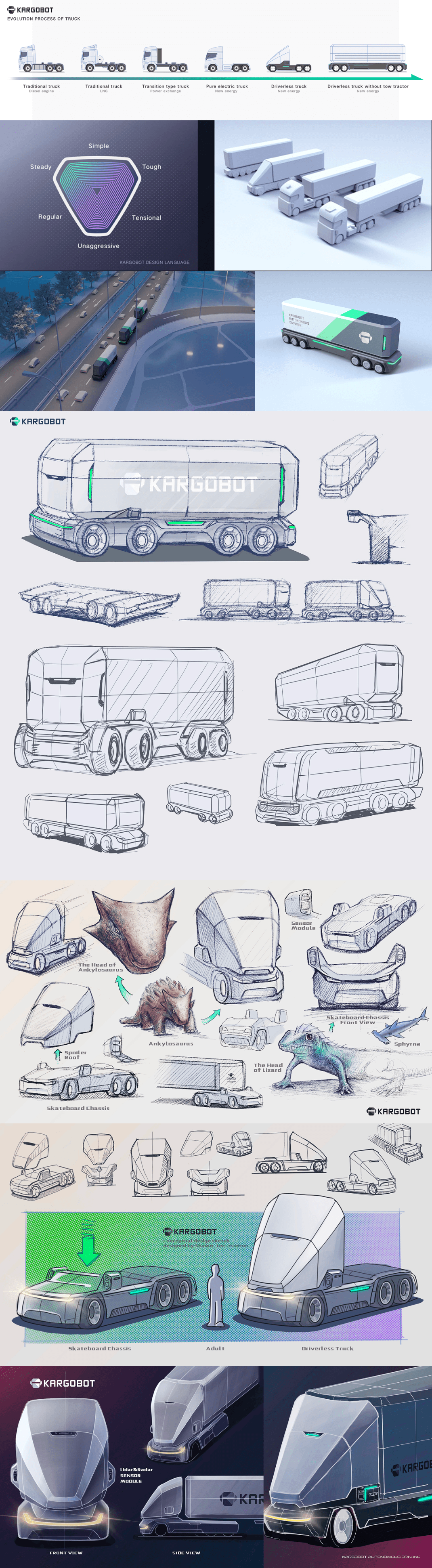
Contributed to the product definition and specification for the L4 autonomous concept truck, which is set to be unveiled and showcased in April this year.

HMI Lane Change Warning Design
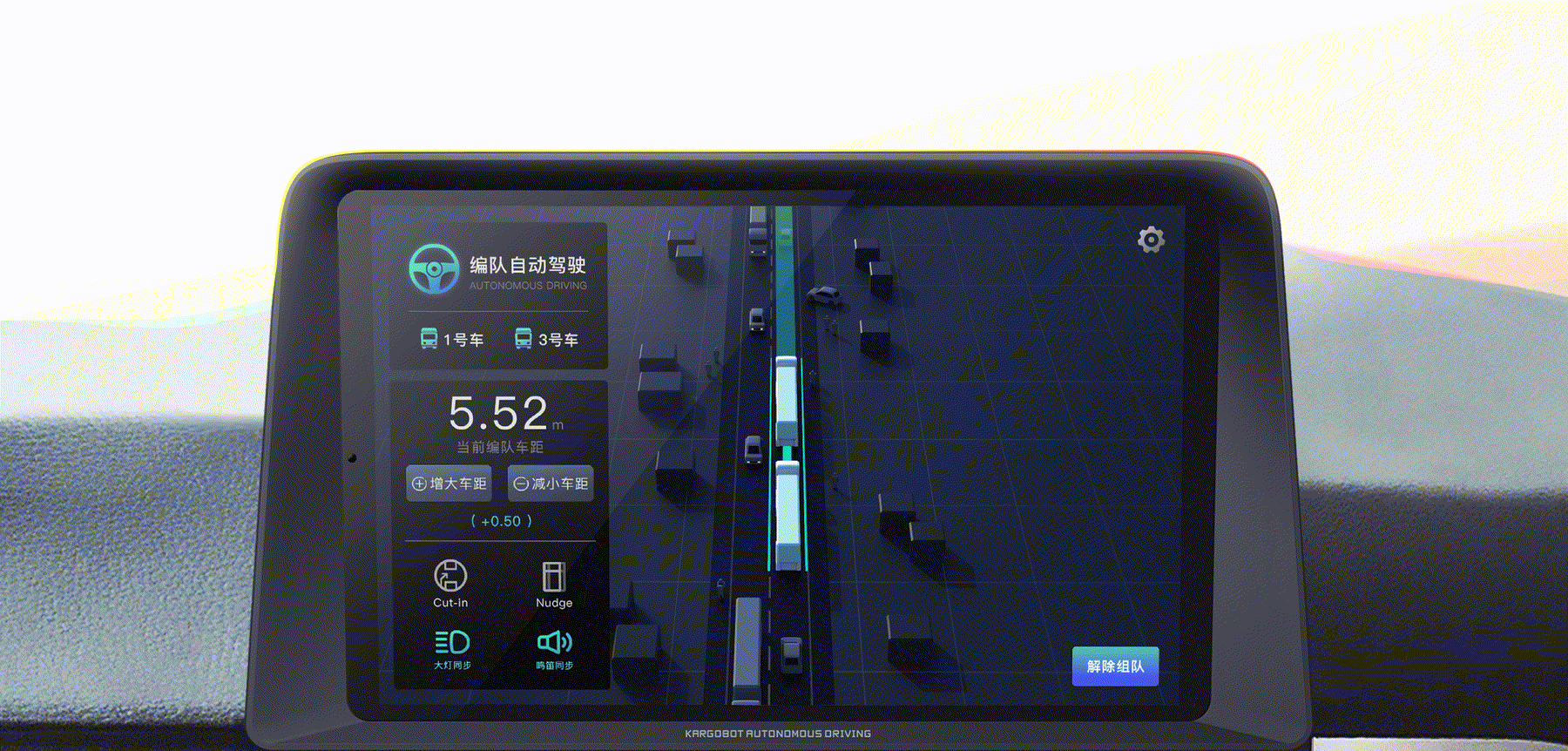
Requirements
V2X information visualization is the main part of the HMI, which dynamically displays real-time statistics of road inspection. When the system detects that the driver has activated the turn signal (indicating a lane-change intention), it alerts the driver to vehicles or obstacles on the same side.

Version 1
Too obvious, affecting the driver’s attention and obstructing other information.



Version 2
Pared back to a quieter cue that warns on the relevant side without covering the road view or the rest of the HMI.
Lighting System Design & Test
Context


During autonomous convoy driving on both public and closed roads, it is necessary to communicate specific information to the external environment in certain scenarios. By adding new car-light interactions, the surrounding audience can accurately understand the conveyed intent, enhancing overall road safety.
Feature Definition
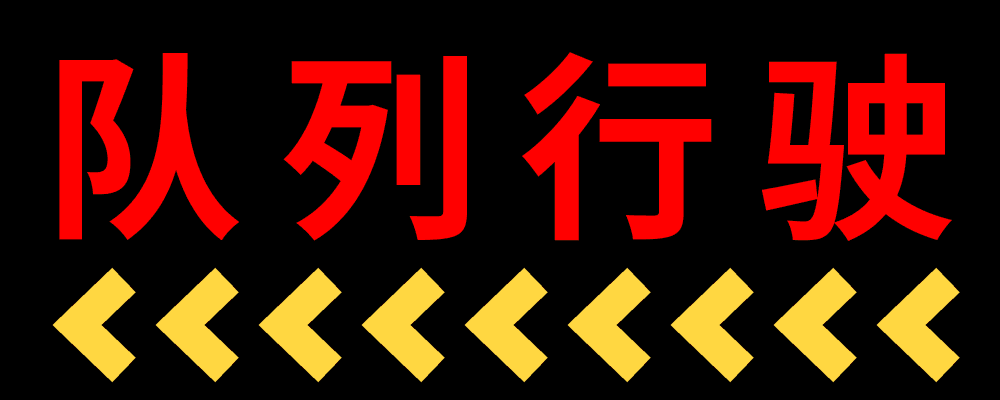
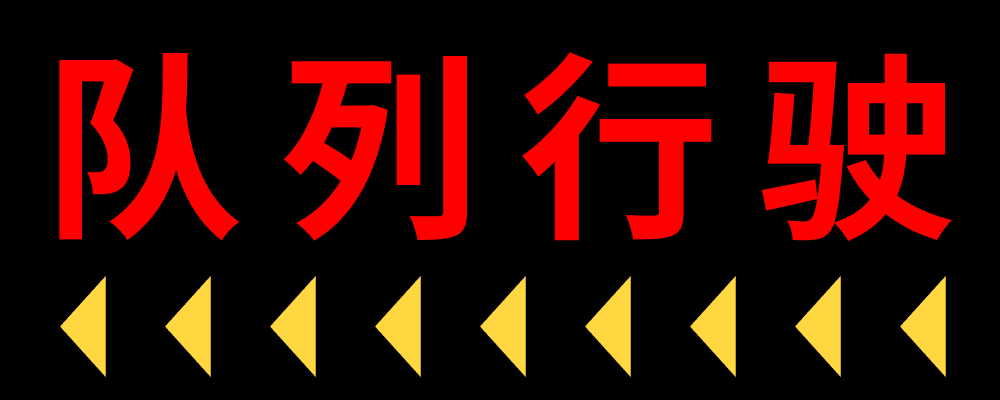
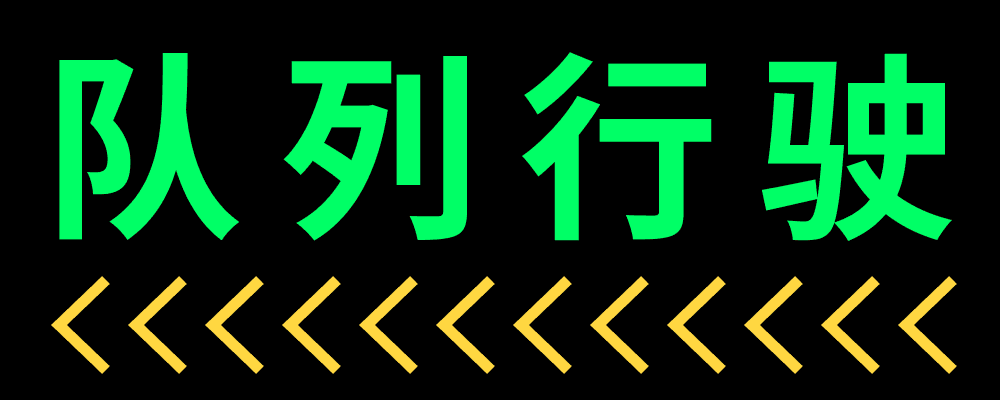
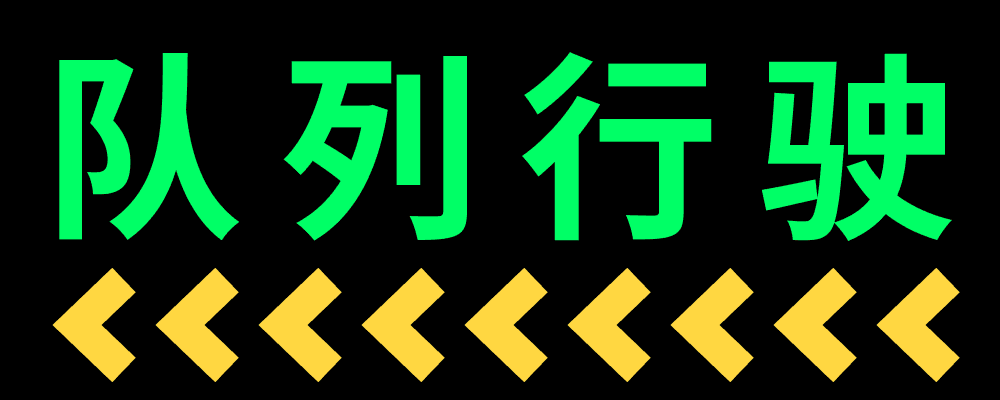
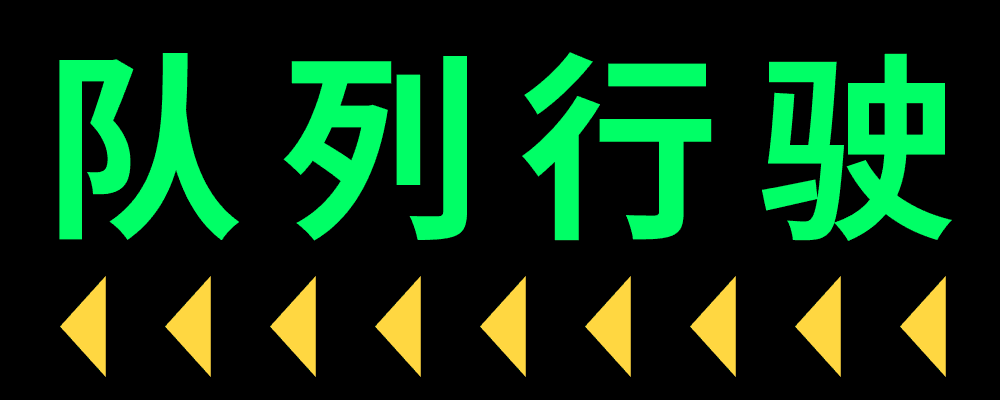
- Autonomous driving is activatedLight strip turns on with a flowing effect (green) · Rear lightbox turns on
- Deactivated (manual driving)Light strip turns off · Rear lightbox turns off
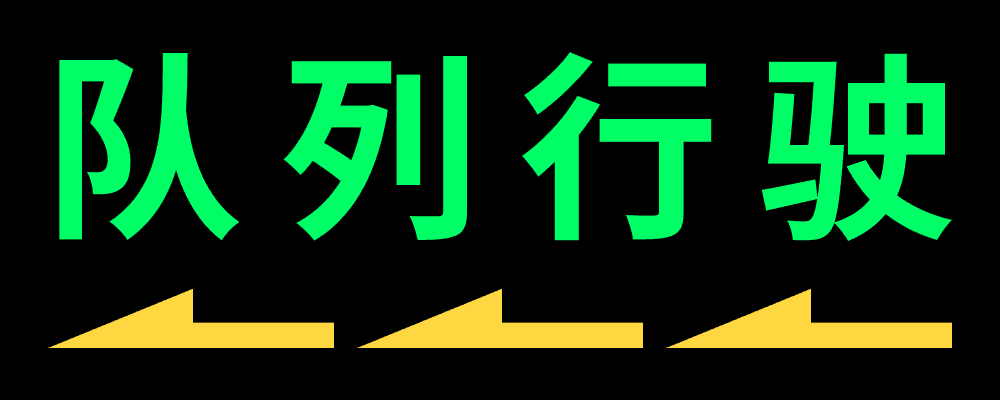
- Cut-inLight strip switches to fast flashing (yellow)
- Fallback, but the vehicle can still driveLight strip switches to double flashing (yellow)
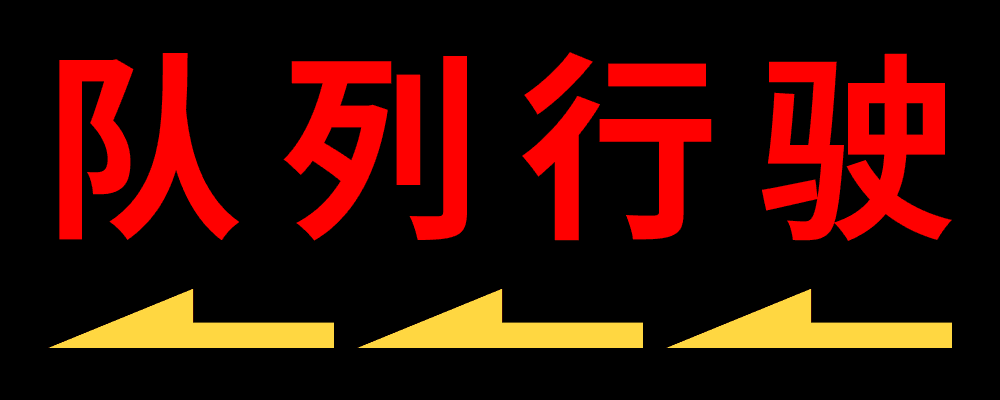
- Fallback, and stopping or pulling overLight strip switches to double flashing (red) · Rear strobe light turns on
Cut-in
Fallback
Prototypes & Tests

Light strip flowing effect
The flowing light effect is used to represent convoy driving, with the following requirements:
Seamless transition between trucks
Consistency across truck surfaces
These design requirements make the lighting effect particularly challenging, as it requires precise timing and synchronization across multiple vehicles and different lighting zones on each truck. Therefore, I created and tested the flowing light effect in the p5.js editor, adjusting parameters to quickly modify the effect.



Rear lightbox

Dispatch App for Drivers
Problem Statement
KargoBot needs to assign transportation tasks to truck drivers and track the completion status of the delivery orders. Previously, the dispatch process was managed through WeChat group chats, which was cumbersome and difficult to manage.
The old flow ran entirely inside a WeChat group
- 01Admin · Post order details
- 02Driver · Respond in the group to accept
- 03Both · Confirm with each other
- 04Driver · Complete transportation
- 05Admin · Record the assignments in the backend
- 06Admin · Verify task completion
Design Principles
Driver profile
Middle-aged · male · lower educational background
Design choices
Intuitive features · easy-to-click buttons · clean interface · simplified navigation
Design Solutions
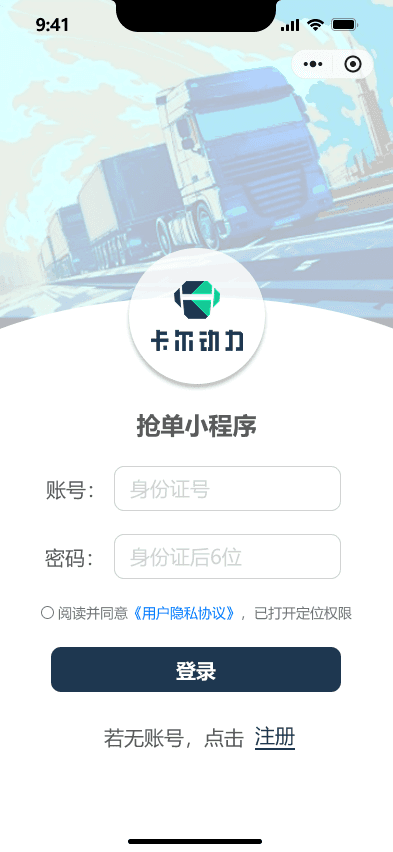
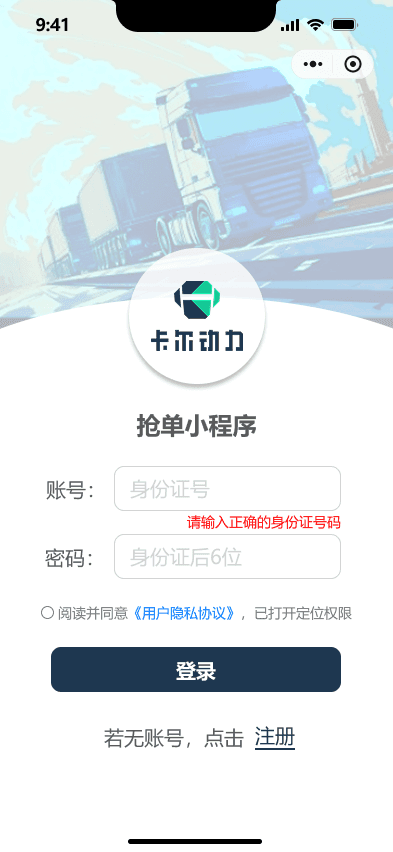
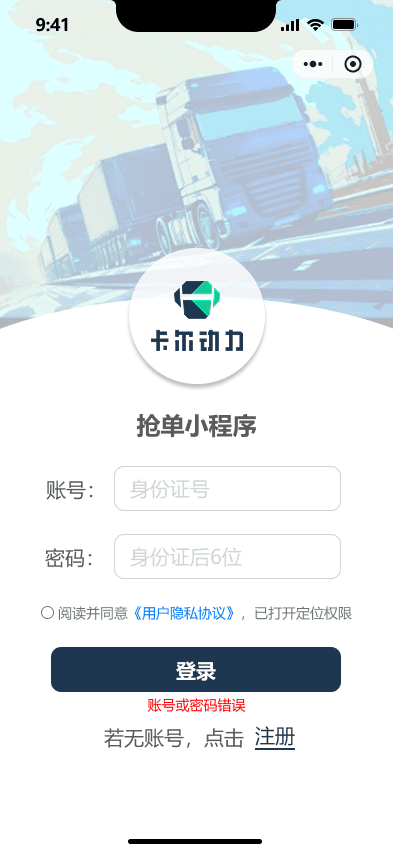
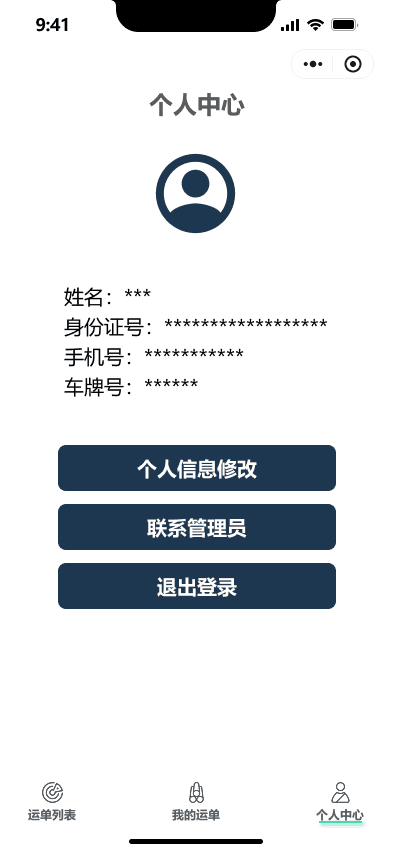
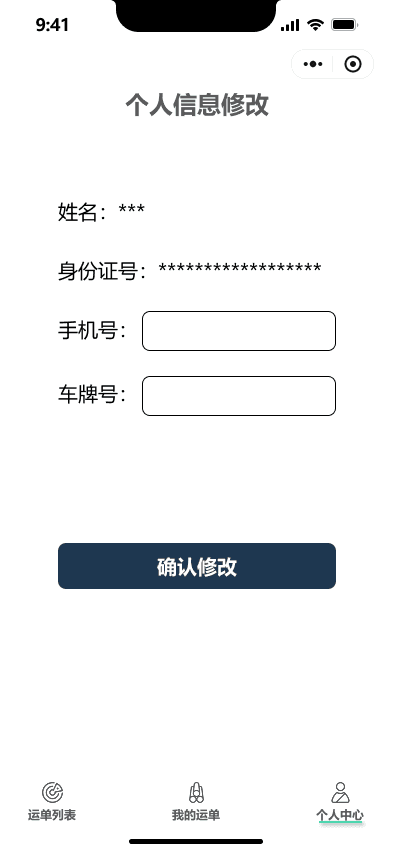
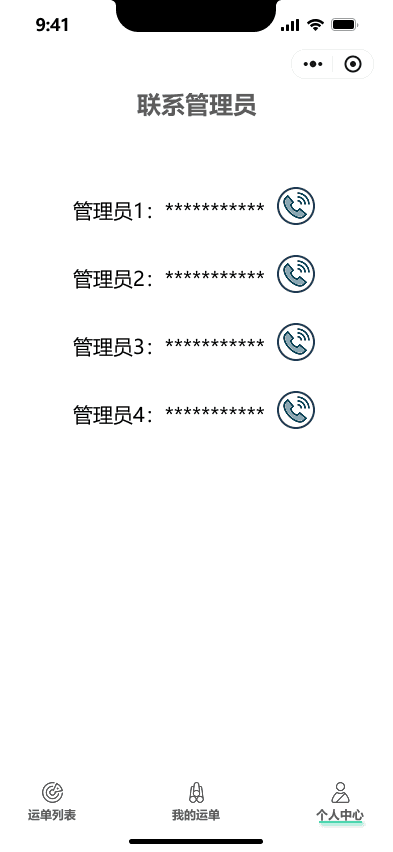
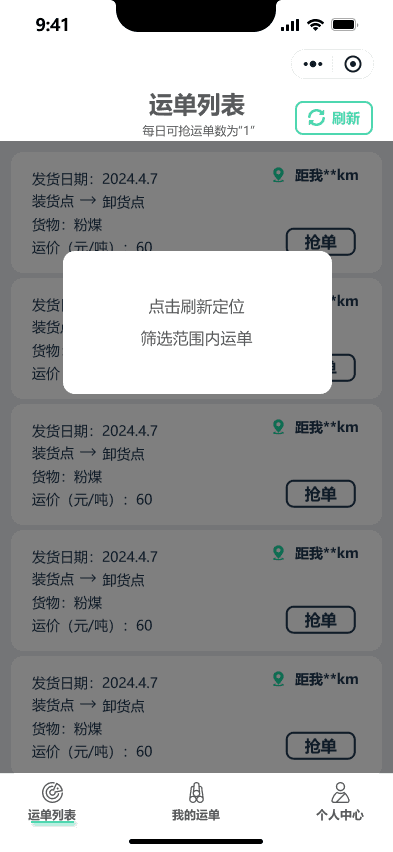
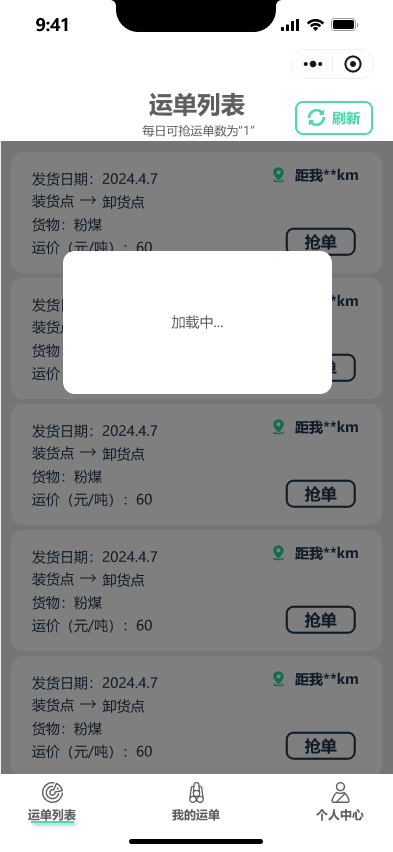
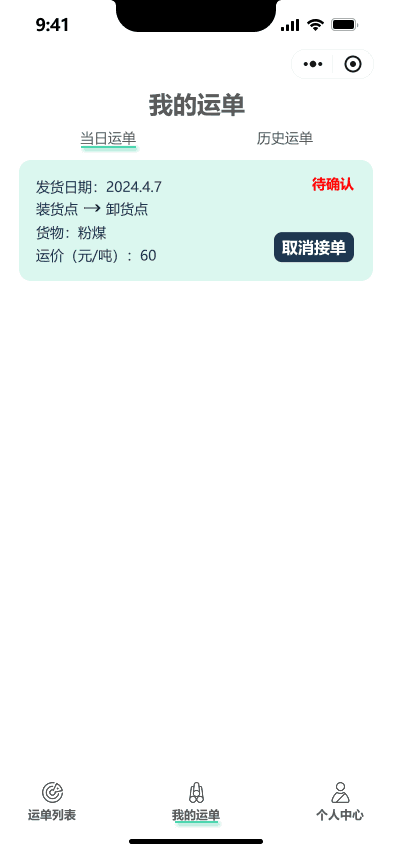
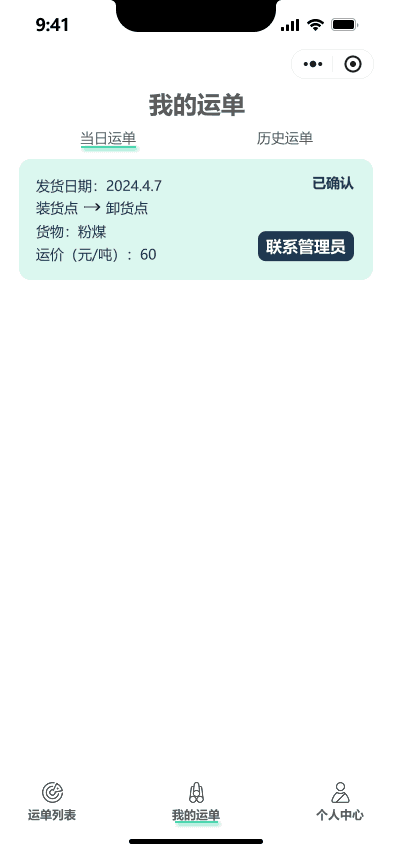
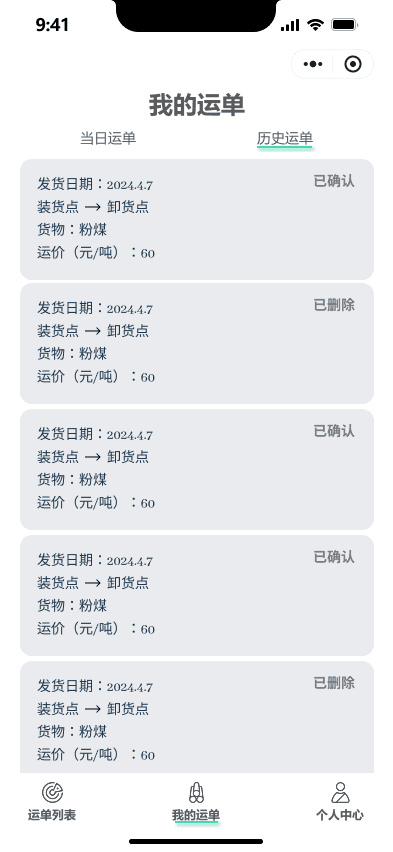
I designed an app that lets drivers browse and claim orders and reach an administrator when they need one.
Sign in / sign up
My account
Order list
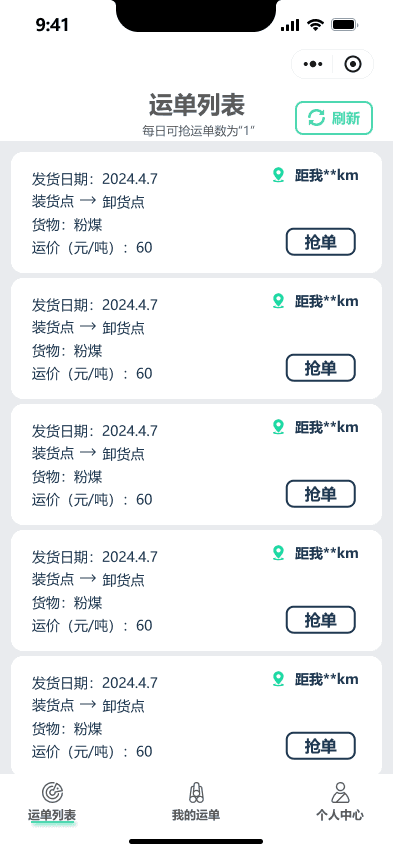
My order
Product Thinking
How to prioritize the most suitable orders at the top of the list based on the driver’s situation, to reduce browsing and decision-making time.
Dynamic matching strategy
Drivers
- Location
- Truck type
- Preference
- Number (capacity)
Orders
- Location
- Requirement
- Deadline
- Popularity
Video Creation
I led the production of a promotional video showcasing the product’s differentiation and key features. It earned 10K+ views and 1K+ engagements on Chinese social platforms, where KargoBot’s audience is; the LinkedIn link below is a mirror for international viewers.
Views
Engagements
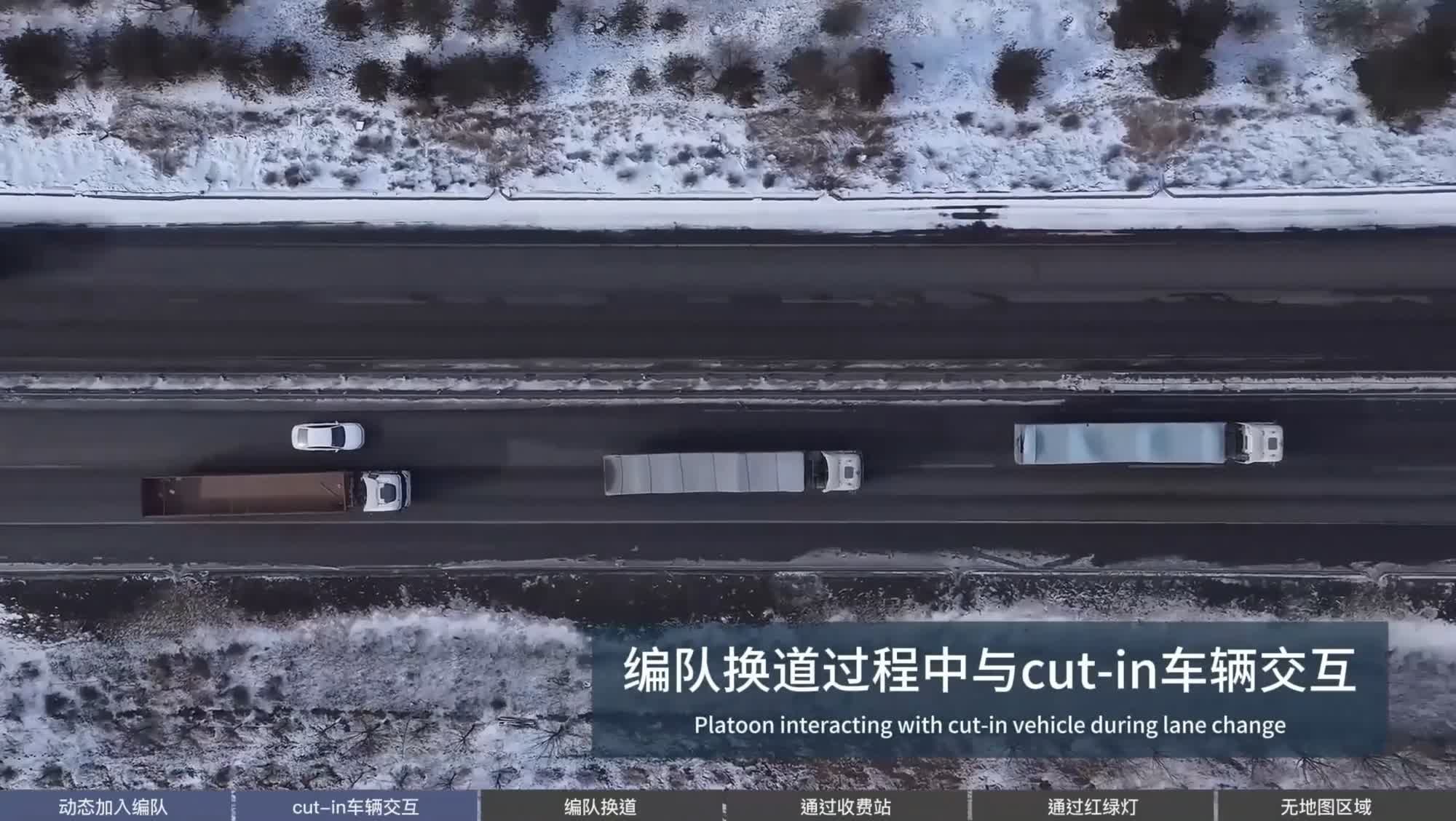 Watch on LinkedIn ↗
Storytelling & Future Truck Design
Takeaways
Managing parallel tasks
Product sense
Storytelling